Popular Games
 All Games





Whiteout Survival Troop Guide : Optimize Training, Promotion & RecoveryIntroduction
2026-06-25


Whiteout Survival Troop growth is not just about creating more units. real progress comes from managing the full cycle of losses, recovery, dismissal, and tier upgrades, so this Whiteout Survival Troop guide combines those mechanics into one practical flow you can apply before, during, and after major battles.Power up instantly on BuffBuff—top up now for the ultimate Whiteout Survival edge
Enlistment Office
your Infirmary handles the wounded first, and any overflow beyond Infirmary capacity goes into the Enlistment Office reserve. It also states that this reserve is limited, so if you exceed Enlistment Office capacity, extra troops are permanently lost.
lists key recovery indicators, including current loyalty recovery rate, base loyalty recovery rate, and Enlistment Office capacity. This is the core panel you should watch when planning recovery after large fights.
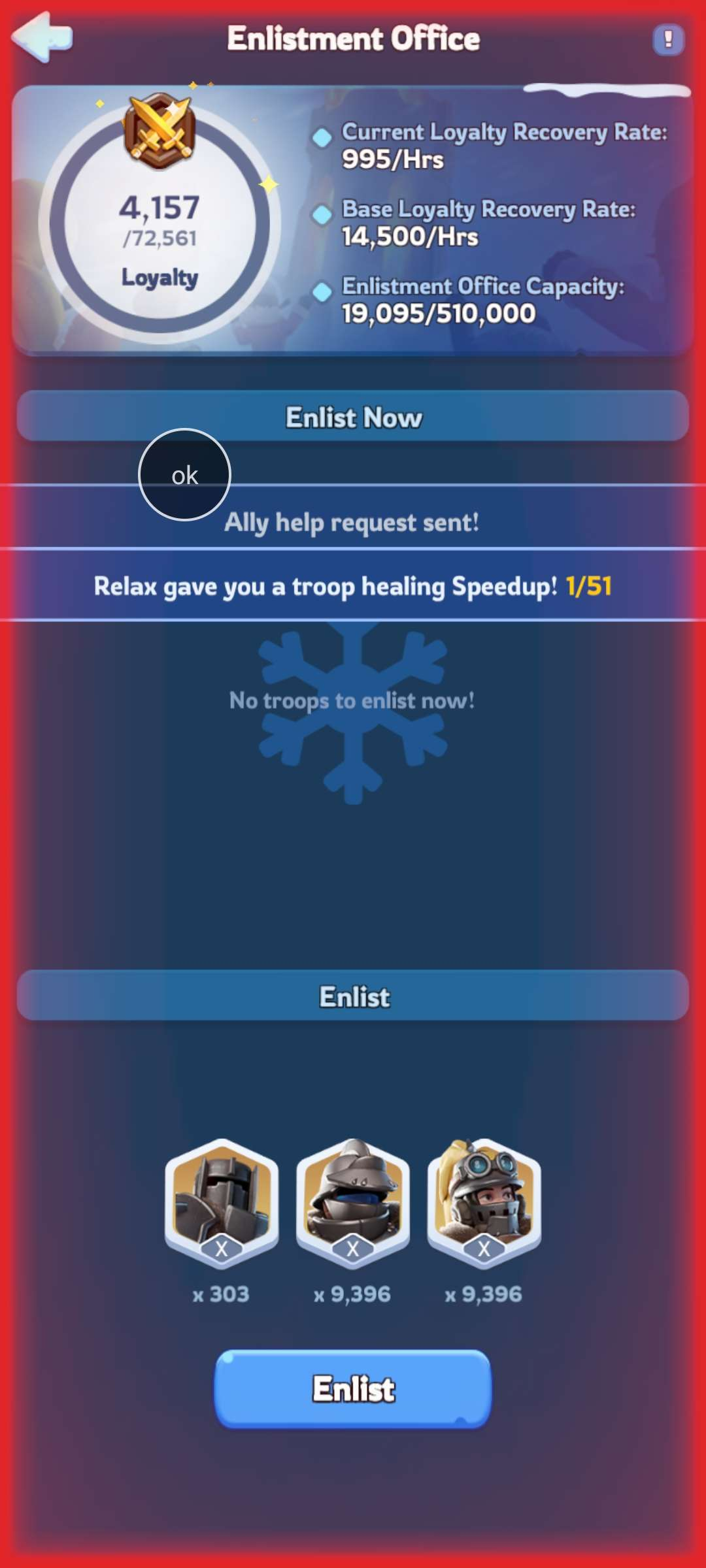
recovery speed is influenced by loyalty level, severely injured count in the Infirmary, and reserve status in the Enlistment Office. It also highlights that loyalty increase stops at its limit and can be gained through daily missions or gathering when reserves are not empty.
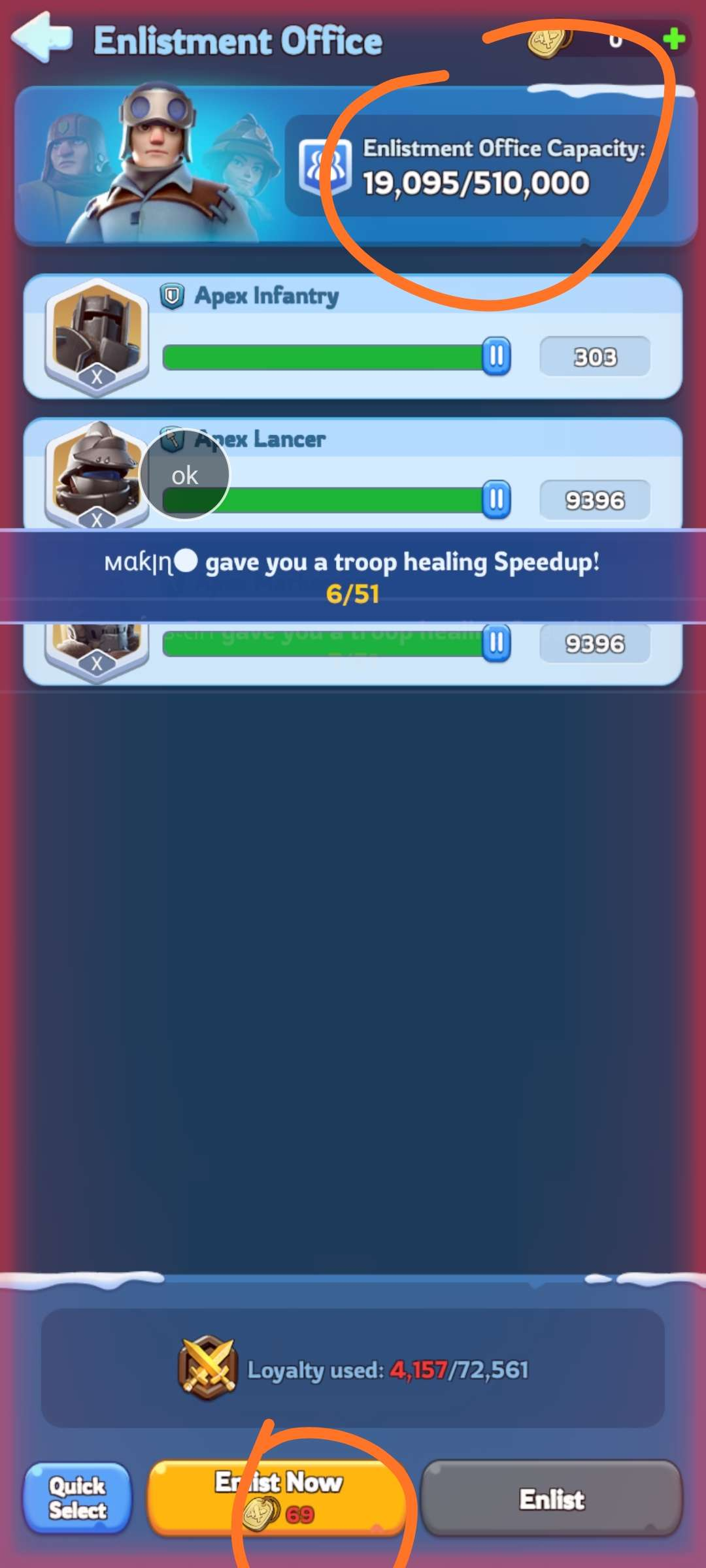
For normal situations, it states that attack losses are pure death with no revival, while defense losses can move to the Enlistment Office and recover partially. For SVS/Field Triage scenarios, higher revival potential under specific conditions, so battle context changes final recovery outcomes.
How to Dismiss Whiteout Survival Troop
The Whiteout Survival Troop guide is mostly visual and shows where the dismiss function is located in troop management. It should be used carefully because dismissed troops are removed permanently.
The step sequence shown in the image is: open your profile, enter Troops, choose the troop type, tap Dismiss, set quantity, and confirm. This is useful when you intentionally clean low-value troop layers to improve roster structure.
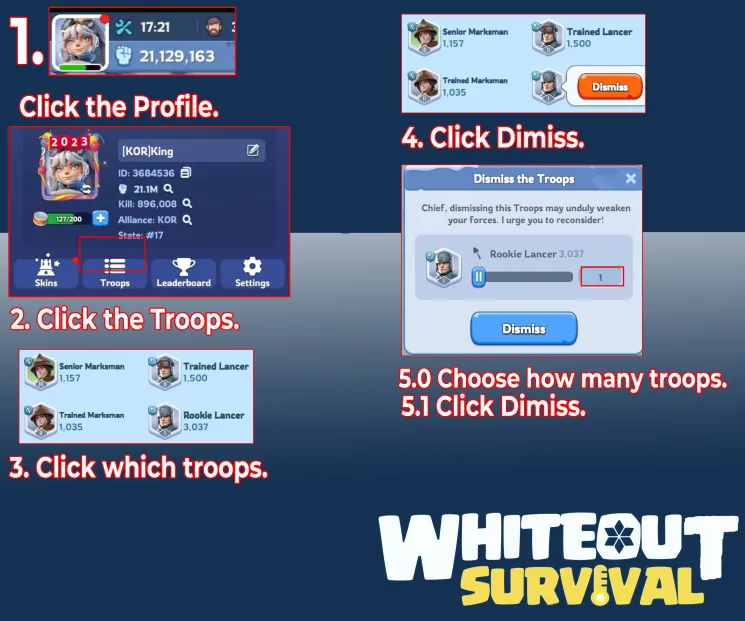
Before confirming, check event timing and defense needs, because dismissal is irreversible and should support your promotion and capacity strategy, not weaken active combat readiness.
Training or Promotion Troops
The training-or-promotion gives a general recommendation to move toward higher tiers, while asking players to evaluate five factors: Whiteout Survival Troop capacity, rally leader bonus stats, Infirmary/Hospital capacity, ongoing events, and newly unlocked tiers.
Troop Capacity
Whiteout Survival Troop capacity should be checked first. You need enough deployment space and supporting infrastructure before deciding how aggressively to upgrade.
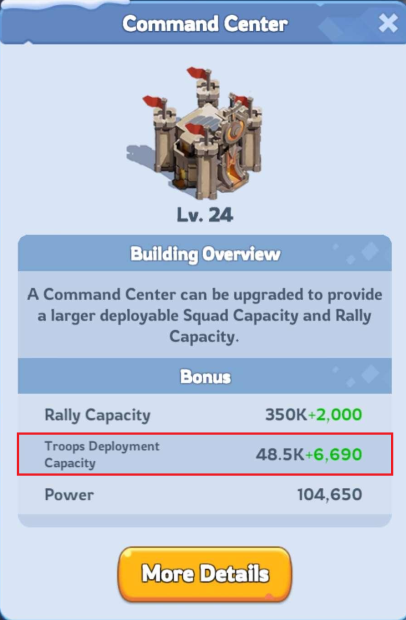
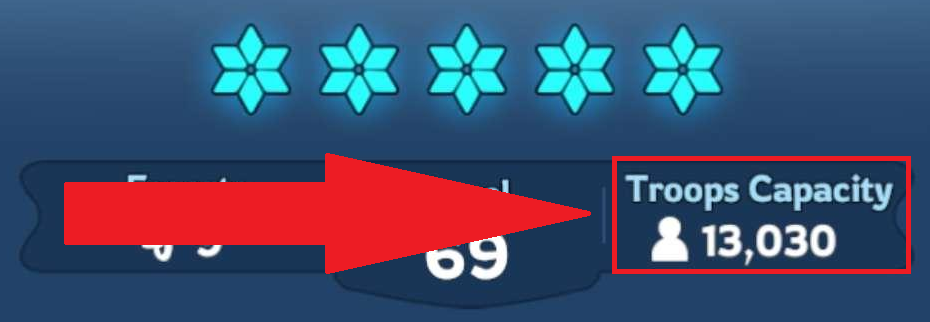
It also notes that your Chief profile shows current maximum deployable troops, and hero effects can change that number.
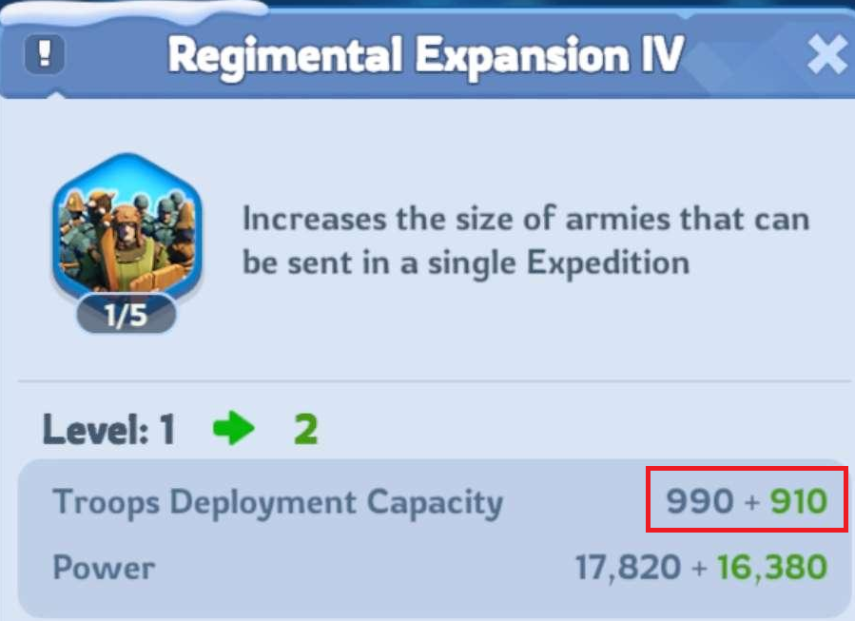
Chief-profile troop limit example
Its main conclusion for this part is that larger effective capacity combined with higher tiers increases practical battle value when percentage bonuses apply.
Rally Leader Bonus Stats
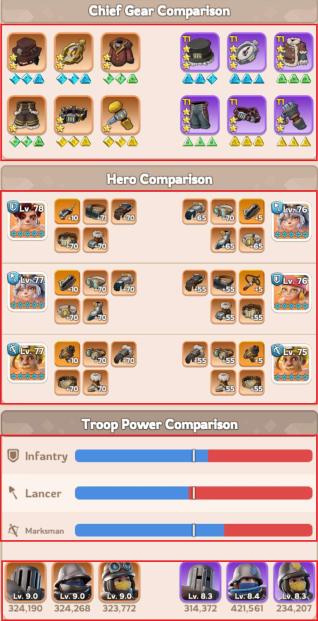
rally or hero percentage bonuses multiply troop value, so higher-tier troops generally gain stronger practical returns under these bonuses.
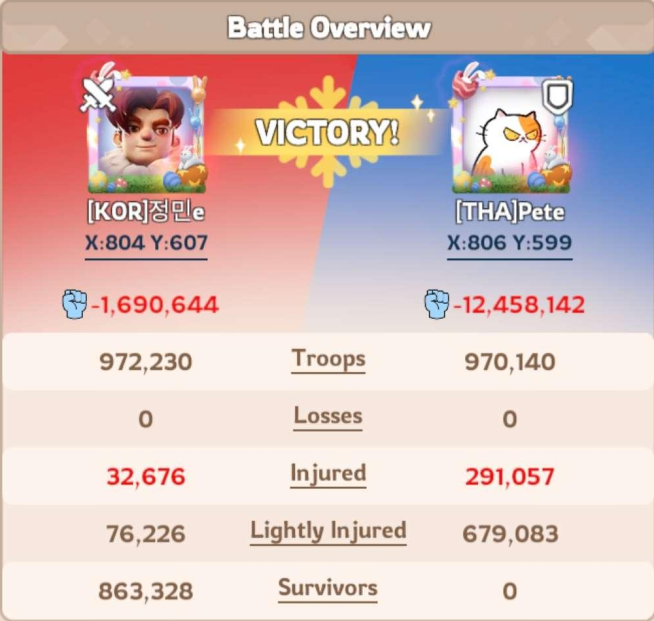
This is presented as a reason to keep upgrading army quality, because better base troops make the same percentage bonus more impactful.
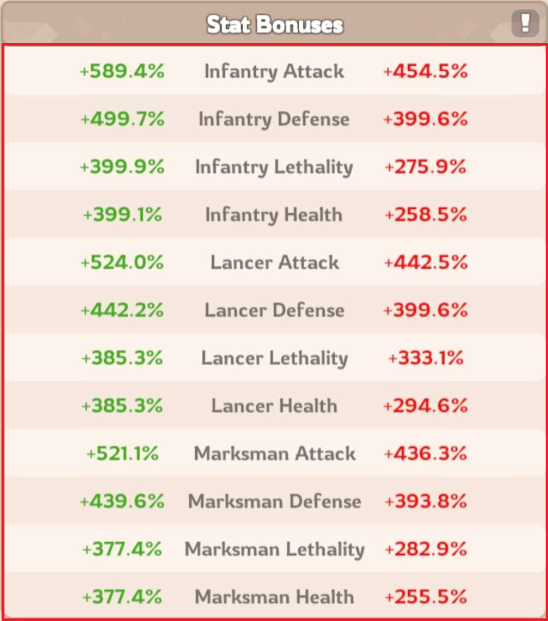
this benefit applies to your own army effectiveness as well, not only to helping a rally leader.
Infirmary / Hospital
The source warns against filling medical capacity with too many low-tier troops, because it can block treatment space for high-tier units during heavy losses.
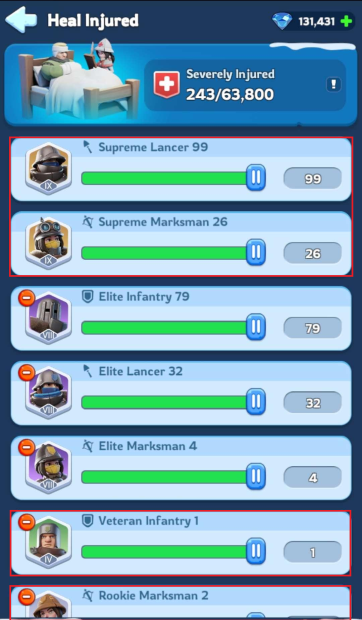
It recommends promoting troops when needed to reduce low-tier congestion and align your army with available medical capacity.
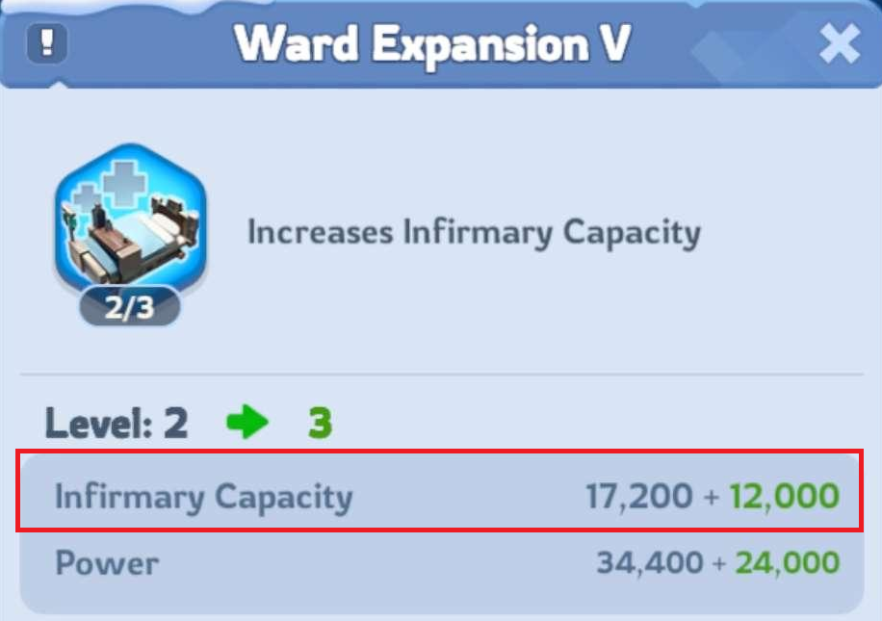
This improves the chance that high-value troops receive treatment and reduces avoidable permanent losses caused by capacity overflow.
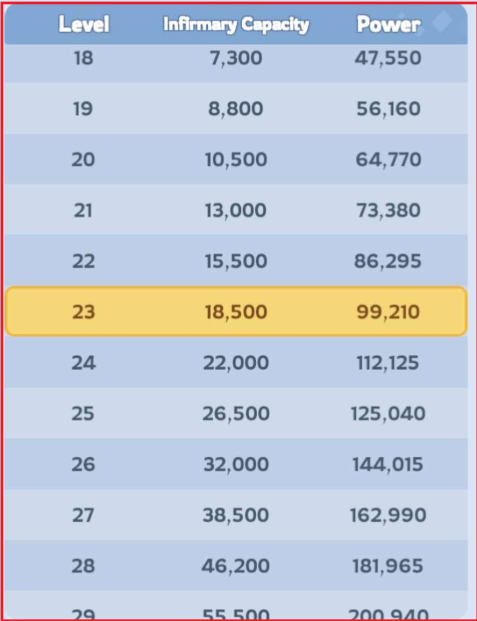
Events and New Tier Unlocks
For active events, training can be better in the short term because promoted troops may still be in process and unavailable immediately. For newly unlocked tiers, it notes that promotion is often advantageous, but players should compare gains versus direct training and include Infirmary capacity plus current event pressure in the final decision.
Conclusion
The core strategy is consistent: control loss routing with Enlistment Office awareness, use dismissal as a targeted roster tool, and choose training versus promotion by capacity and timing instead of habit. Following this loop gives you steadier recovery and stronger long-term troop quality.For more Whiteout Survival guides & news, follow BuffBuff

Whiteout Survival is a survival strategy game that challenges you to rebuild a frozen town.