Popular Games
 All Games





Whiteout Survival Foundry Battle Guide: Best Strategy, Points, Rewards & Team Tactics
2026-06-24

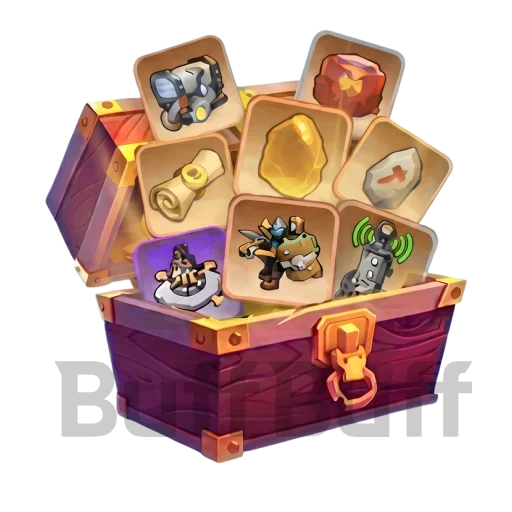

Looking for the best Whiteout Survival Foundry Battle guide? This complete strategy walkthrough explains how Whiteout Survival Foundry Battle works, how to win with your Alliance, and how to maximize both Alliance Arsenal Points and Personal Arsenal Points.
Unlike a simple PvP brawl, Foundry Battle is a timed objective mode where map control, role discipline, and synchronized attacks decide the winner. If your team treats it like random fighting, you will lose points even after winning skirmishes.
What Is Whiteout Survival Foundry Battle in Whiteout Survival?
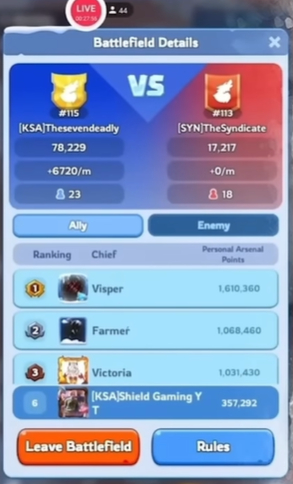
Whiteout Survival Foundry Battle is a large-scale Alliance vs Alliance battlefield where both sides race to accumulate Arsenal Points by occupying and defending key buildings.
The core win condition is simple: the Alliance with more total Alliance Arsenal Points when the battle timer ends wins. Individual fighting power matters, but objective control and point flow matter more.
Troops defeated in this mode are not permanently lost and are restored after the event, so the mode rewards aggressive but coordinated play.
Entry Requirements and Registration Checklist
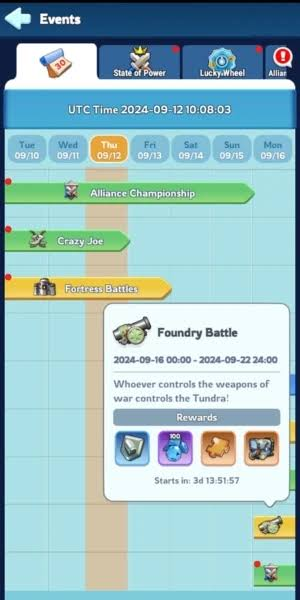
Only Alliances ranked in the top 20 by Alliance Power before the event window can register for Whiteout Survival Foundry Battle .
Each Alliance can register up to two Legions. Every Legion can field up to 30 combatants and 10 substitutes, and the same member cannot fight in both legions at once.
To enter the battlefield, a Chief must clear marching/scouting conflicts and avoid having invalid troop states. Do a pre-battle checklist for Tech, VIP bonuses, Chief Gear, and combat buffs before match start.
Rules, Battle Phases, and Victory Conditions
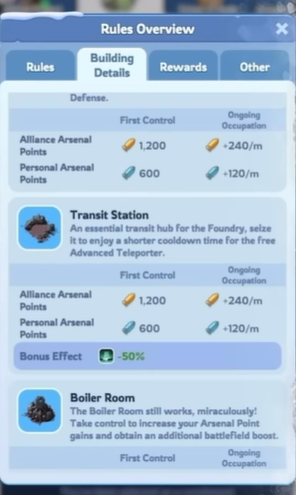
Battleflow is split into three phases. In early control windows, teams contest outer utility buildings. Mid-battle unlocks high-impact structures including the Imperial Foundry, Munitions Warehouse, and Mercenary Camp. Later, hidden Weapon Workshops appear for burst scoring opportunities.
Point logic is the heart of the mode. Occupied buildings continuously generate Arsenal Points up to capacity. Overflow creates temporary points; once the structure is recaptured, temporary points drop as lootable Arsenal Supplies that either side can collect.
For individual progression, offense and defense both earn personal score, and active objective play usually outperforms passive combat farming in the long run.
Building Priority: Where Arsenal Points Really Come From
Treat building value by timing and function, not by name alone. The Imperial Foundry is the strongest sustained point engine, while nearby Prototype Sites amplify point pressure around center control.
The Repair Facility contributes steady objective value. The Munitions Warehouse improves combat output. The Boiler Room helps faster captures, and the Transit Station cuts Teleport cooldown pressure, enabling faster re-positioning.
The Mercenary Camp is often underused. Smart mercenary pressure can force defenders off high-value structures and create openings without overcommitting your main attack wave.

Tutorial panel explaining temporary Arsenal Points overflow and dropped Arsenal Supplies on recapture.
Tutorial panel on hidden Weapon Workshops that spawn in waves for swing-point scoring.
Best Team Structure and 3-Phase Battle Plan
A proven structure is to split into dedicated attack and defense squads. One practical setup uses two attack teams (A1, A2) and two defense teams (D1, D2) with clear role ownership.
In Phase 1, stabilize outer buildings first and avoid reckless center dives. In Phase 2, assign fixed rally lanes and rotate attackers instead of exhausting one team. In Phase 3, prepare a timed center contest around the final minutes, when enemy temporary stockpiles are high.
For center steals, chain rallies with deliberate offsets (for example, A1 starts first, A2 follows seconds later). This staggers impact windows and increases the chance to break reinforced defenders.
Advanced Tips: Teleports, Reinforcement, and Point Control
Use Reinforcement actively. Fast reinforcement on pressured allies prevents building flips and protects temporary point bubbles from being dropped.
Track scattered Arsenal Supplies on the minimap and assign quick collectors. These pickups frequently decide close matches, especially in final minutes.
Coordinate Teleport usage around objective timers, not emotion. Controlling the Transit Station reduces cooldowns and supports repeated rally pressure.
If your troops are drained, use timed recovery windows and return with full impact instead of feeding repeated low-strength attacks.
Rewards, Personal Merit, and Shop Value
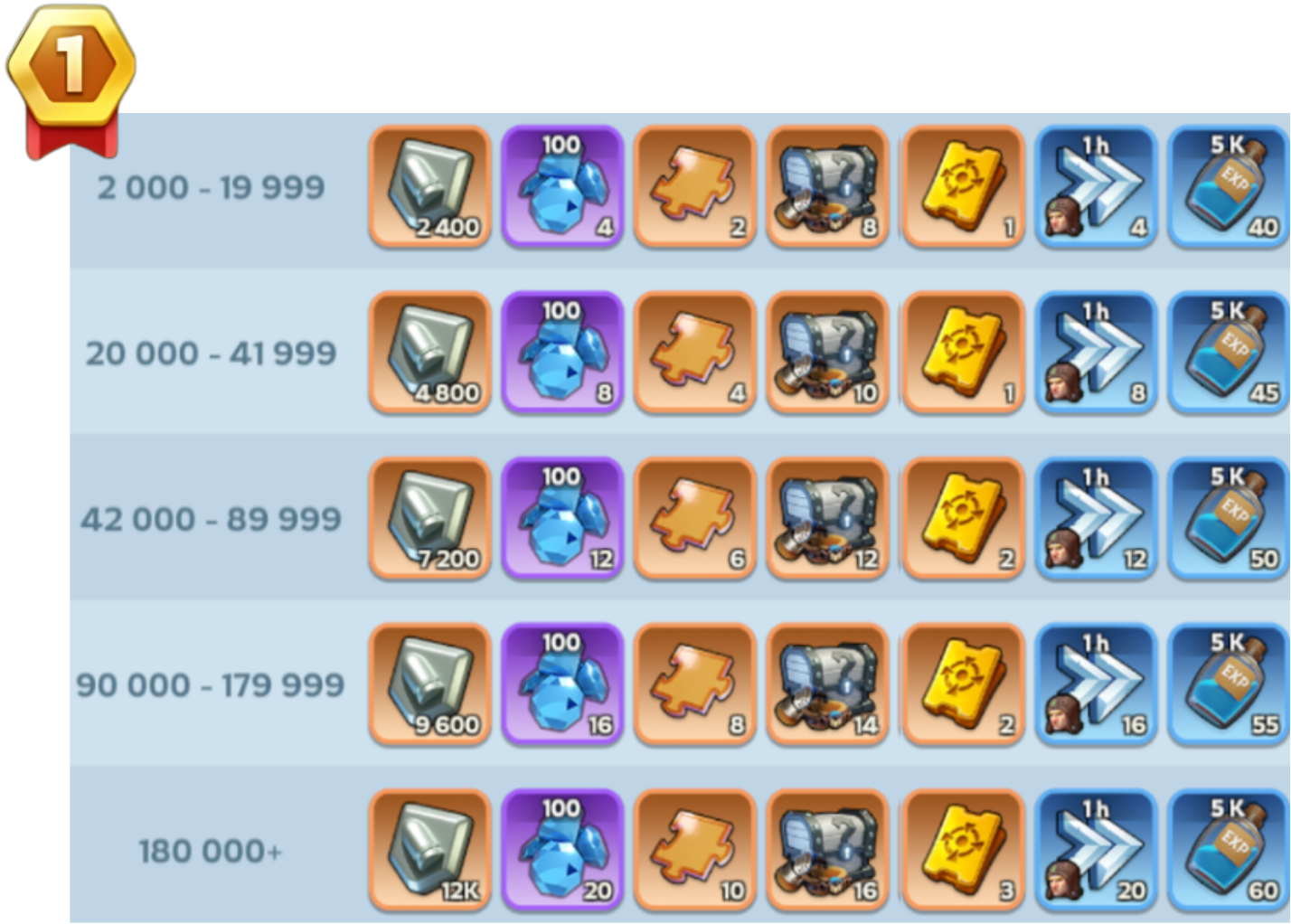
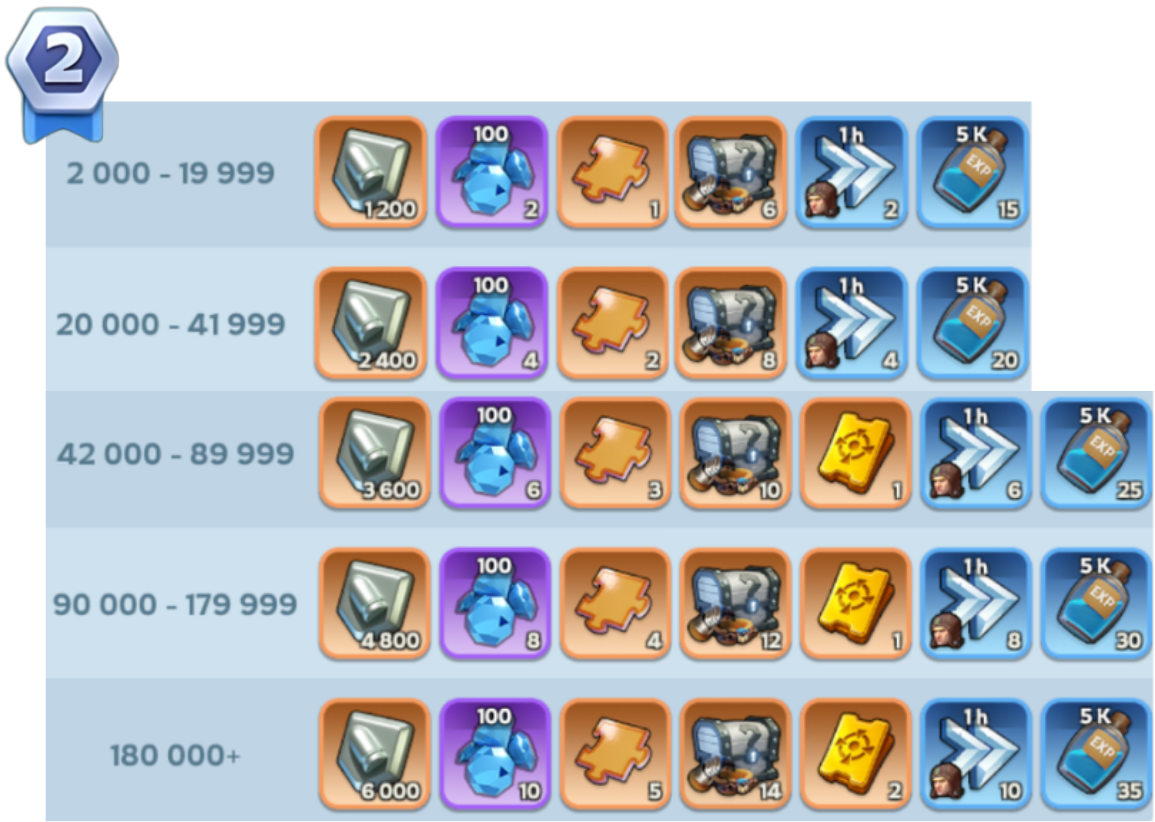
Alliance Ranking Rewards are strongly tied to Legion 1 results, while Personal Merit Rewards reflect each player’s activity and contribution.
The Foundry Shop is a recurring value source. Plan purchases around your current generation goals and hero fragment priorities rather than impulse spending right after battle.
If your objective is MVP, keep pressure on offense and captures, but remember that personal score optimization should never break the alliance-level win plan.
UiCommon Mistakes That Lose Foundry Battles
- Ignoring objective timing and over-chasing random fights.
- Under-using Reinforcement and letting outer ring buildings flip uncontested.
- Wasting Teleport cooldowns before high-value windows.
- Treating Weapon Workshops and scattered Arsenal Supplies as optional.
- Optimizing for personal score while the Alliance loses net map control.
Conclusion
Winning Whiteout Survival Whiteout Survival Foundry Battle consistently is less about isolated power spikes and more about disciplined macro play: objective priority, clean role splits, synchronized rallies, and fast reaction to point drops.For more Arena Breakout intel, deep-dive guides, follow buff buff.
Build your battle plan before queue, enforce communication during all three phases, and review point swings after each match. Do that, and your Alliance will convert more battles into reliable wins and stronger reward cycles.

Whiteout Survival is a survival strategy game that challenges you to rebuild a frozen town.