Popular Games
 All Games





Whiteout Survival Basic Building Guide: Smarter Priorities for Faster Growth
2026-06-09


Whiteout Survival Basic Building choices are one of the biggest factors in early progression. A clear Whiteout Survival Basic Building order prevents unstable fuel, declining survivor health, and slow military scaling. In practice,To give you a head start, here are the NEW Whiteout Survival Gift Codes in June 2026—grab them to boost your resources early! A structured approach keeps heat, resources, healing, and troop development aligned. From my experience, this single shift in mindset makes the early game much smoother and far less punishing.
Whiteout Survival Basic Building overview
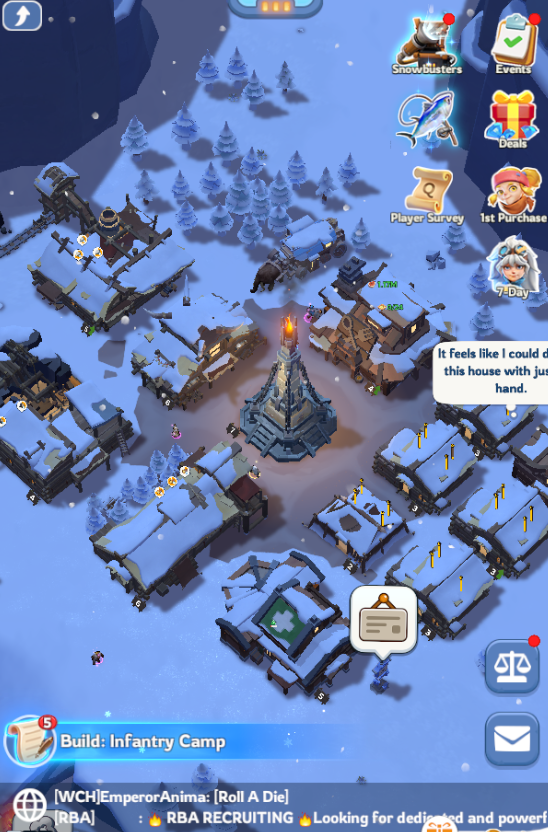
In Whiteout Survival, all buildings work as one system: the Furnace controls progression, resource buildings fund growth, civil buildings keep survivors healthy, and military buildings train and recover troops. Research and alliance buildings (Research Center, Embassy, Command Center) multiply long-term power, while utility and defense buildings (Storehouse, Barricade) protect your progress. The key is to build in order, not evenly.
Furnace First: The Core Rule of Early Progress
The Furnace should remain the top priority because it controls city unlocks and upgrade caps. It is not just a requirement checkpoint; it is the center of survival stability. If Furnace progression slows, the rest of the city naturally slows with it.
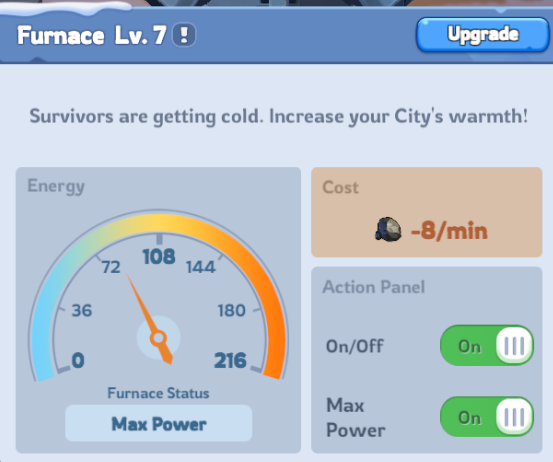
Fuel management should be treated as part of the same priority. During early growth windows, stronger heating is best reserved for storms and colder periods, while unnecessary consumption should be reduced. If fuel reserves drop too far, production and recovery cycles can break at the same time, which is why I usually protect fuel before taking non-essential upgrades.
Whiteout Survival Basic Building Without Over-Complication
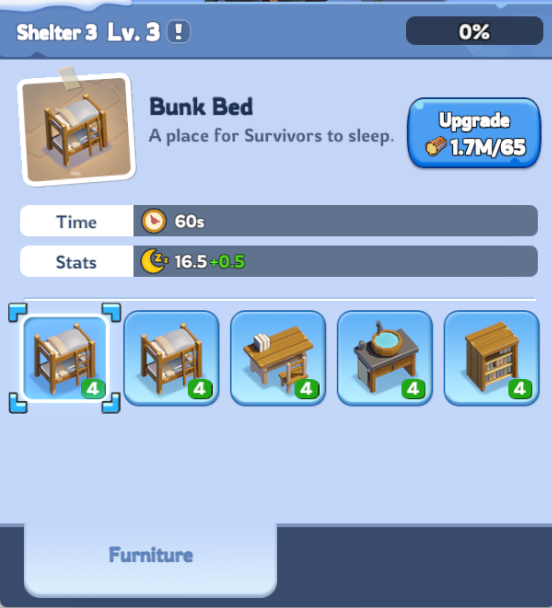
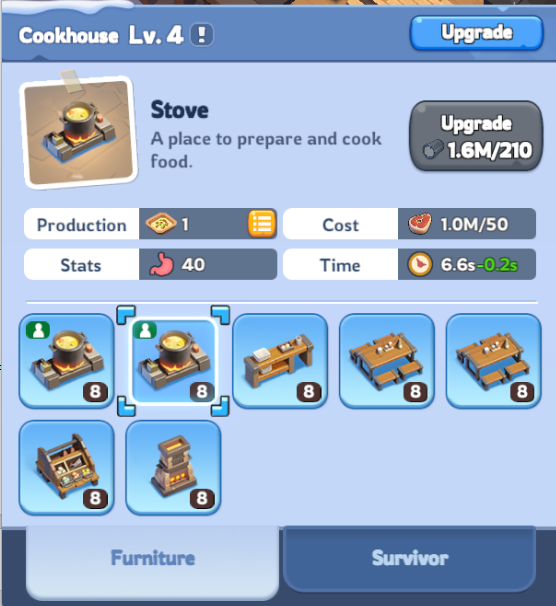
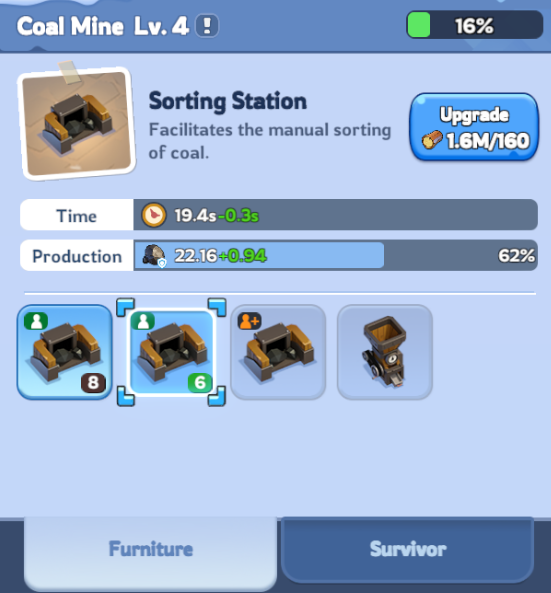
A practical Whiteout Survival Basic Building route is to stabilize the Furnace first, then secure wood and meat production, then push Cookhouse and Shelters, and only after that expand coal and iron aggressively. Once that foundation is stable, Clinic and Infirmary progression should be brought up in parallel with troop camps and research.
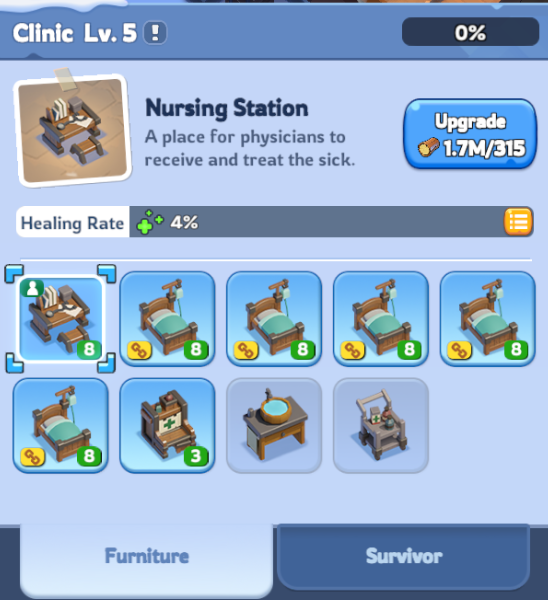
This order works because it follows dependency logic rather than raw power chasing. Heat and food are secured before intensity increases, healing is prepared before heavy losses happen, and research amplifies each building level instead of lagging behind it.
Resource and Survivor Systems: Why They Must Be Balanced Together
Early accounts often trea Whiteout Survivalt resource buildings and survivor buildings as separate topics, but they are directly linked. Weak meat output lowers food quality options, and poor food quality can increase sickness pressure even when heating is acceptable.
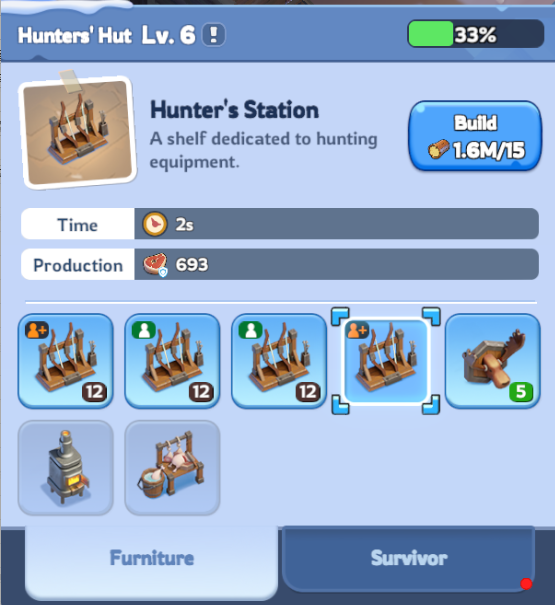
That is why Sawmill, Hunter's Hut, Cookhouse, Shelters, and Clinic should be viewed as one stability system. When this system stays healthy, productivity remains high and the city can absorb event pressure without constant setbacks.
Military Growth and Loss Control in the Newbie Phase
Military buildings should scale steadily instead of being rushed only before combat events. Infantry, Marksman, and Lancer camps improve throughput over time, so delayed upgrades usually create long-term inefficiency.
The Infirmary is especially important because it directly determines how well losses are converted into recoverable downtime. If healing capacity trails behind troop growth, expansion becomes expensive much faster. Once unlocked, the Enlistment Office adds a useful safety layer during higher-casualty periods.
Research and Alliance Buildings as Long-Term Multipliers
The Research Center should run consistently across Growth, Economy, and Battle categories. Whiteout Survival Basic Building levels create structure, but research creates compounding value; together they produce real scaling.
Embassy and Command Center upgrades are also high-value in active alliances. They improve reinforcement handling, support efficiency, and march or rally effectiveness, which means better performance in both routine play and event competition.
Common Mistakes to Avoid
Most beginner setbacks come from a small set of repeat mistakes: leveling everything evenly, ignoring fuel pressure, delaying healing infrastructure, and treating research as optional.
- Prioritize Furnace-linked progression instead of equal-level progression.
- Keep fuel, food quality, and healing capacity ahead of aggressive combat plans.
- Maintain consistent research and alliance utility upgrades for compounding returns.
Conclusion
The most effective beginner strategy is targeted Whiteout Survival Basic Building progression with stable fundamentals. Keep Furnace progression central, protect fuel and food loops, maintain survivor uptime, and scale healing before major conflict windows. For more Whiteout Survival tips and update tracking, check BuffBuff. When this framework is followed consistently, growth is faster, troop losses are more manageable, and transition into mid-game becomes much cleaner.

Whiteout Survival is a survival strategy game that challenges you to rebuild a frozen town.