Popular Games
 All Games





Dragonheir: Silent Gods Familiar Awakening Guide: Talent Refinement & Refinement Strategy
2026-06-18




If you are searching for a practical, up-to-date Dragonheir: Silent Gods Familiar Awakening guide, this is the one I wish I had before burning resources on trial-and-error upgrades. The new Familiar Awakening system is exciting because it can dramatically raise the ceiling of a single unit, but it is also one of those mechanics that quietly punishes impatience.Check out this Dragonheir S7 guide to stay updated with the latest news. In this guide, I break down the rules shown in the official event images, explain the real economy behind Talent Refinement, and share the strategy that gives you the best value over time.
What Familiar Awakening Actually Changes
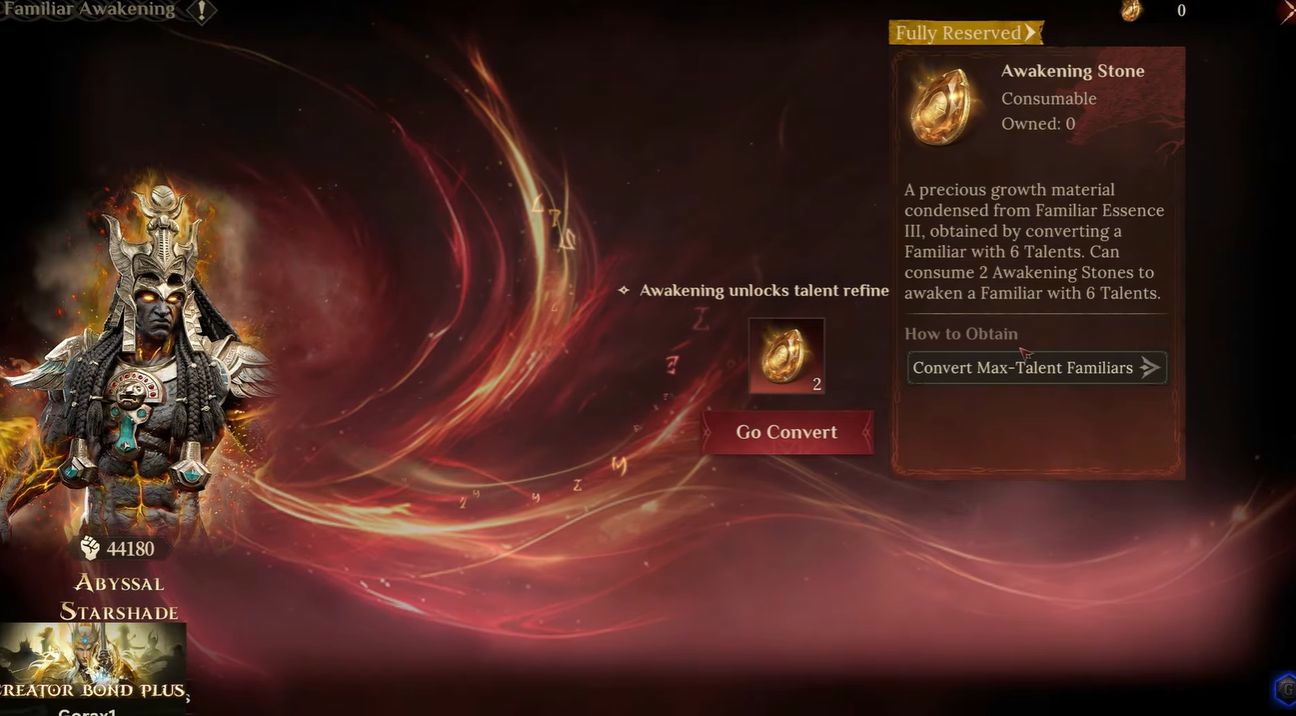
At its core, Familiar Awakening is a progression layer for a Mythic Familiar that already has six Talents. Once the entry condition is met, you can consume Awakening Stones to activate the Talent Refinement feature. The design intent is clear: this is not a beginner-side system for random units, but a late-game investment tool for your most reliable companion.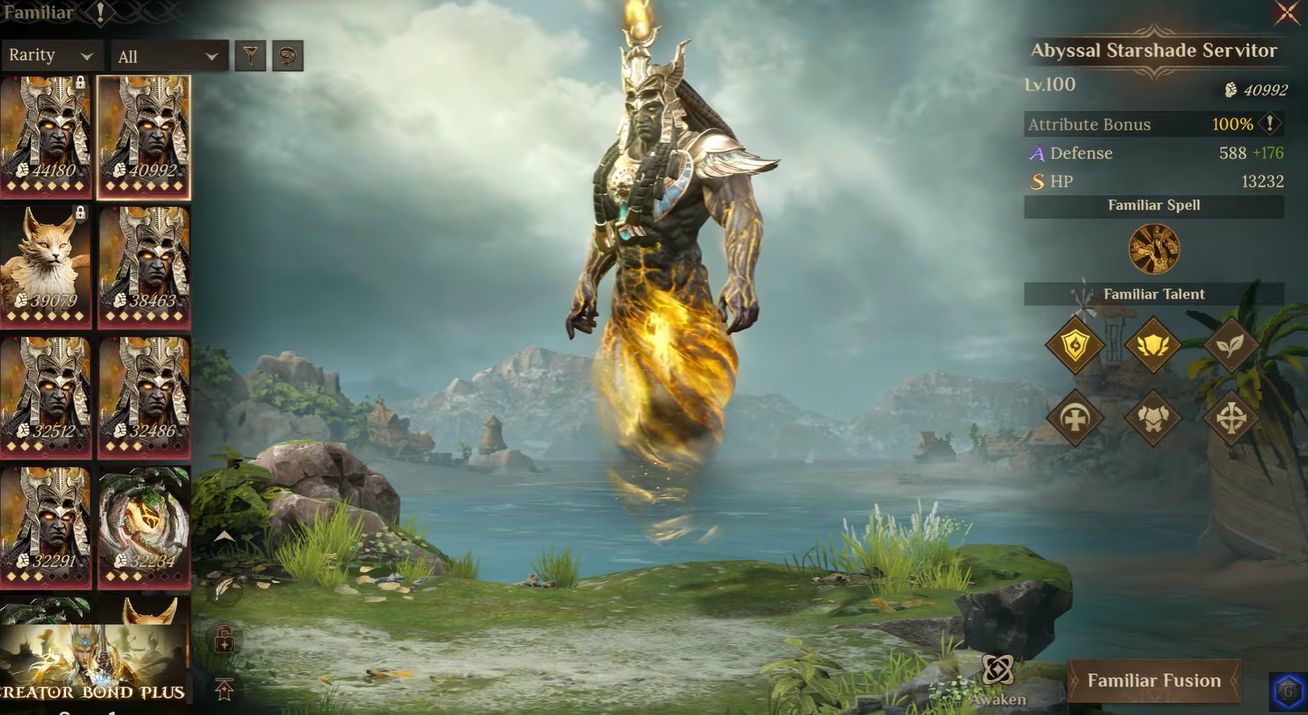
My take is that this system rewards roster discipline. If you try to spread resources across multiple side options, the gains feel slow and expensive. If you focus one high-impact familiar that already fits your main team archetype, the power increase feels immediate and meaningful in both PvE consistency and boss output.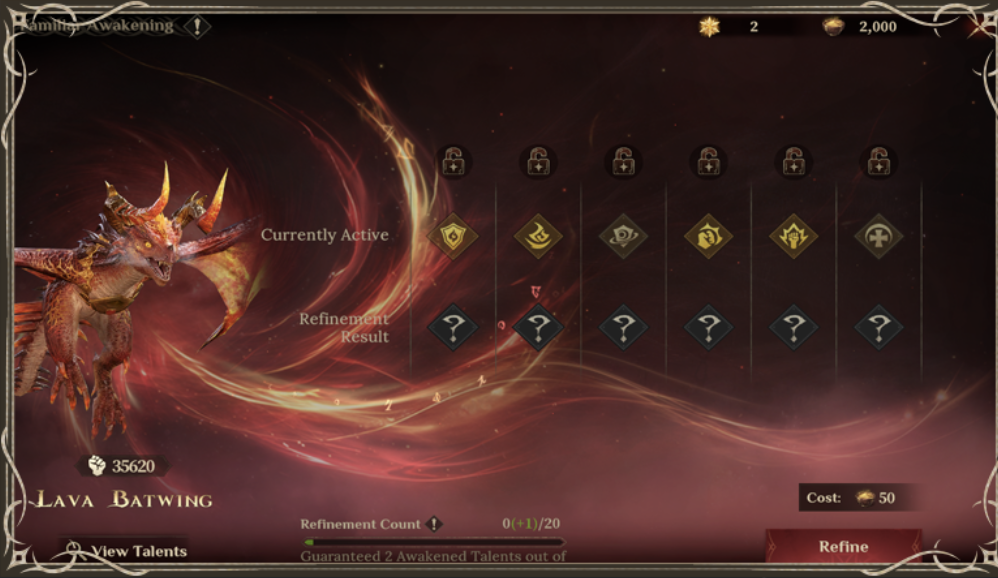
Core Gameplay Rules You Need to Respect
The official rules emphasize one key gate: a six-talent Mythic Familiar consumes two Awakening Stones to open awakening. Also, Awakening Stones currently come from converting six-talent familiars, which means every decision has opportunity cost. You are effectively trading one mature asset to optimize another.
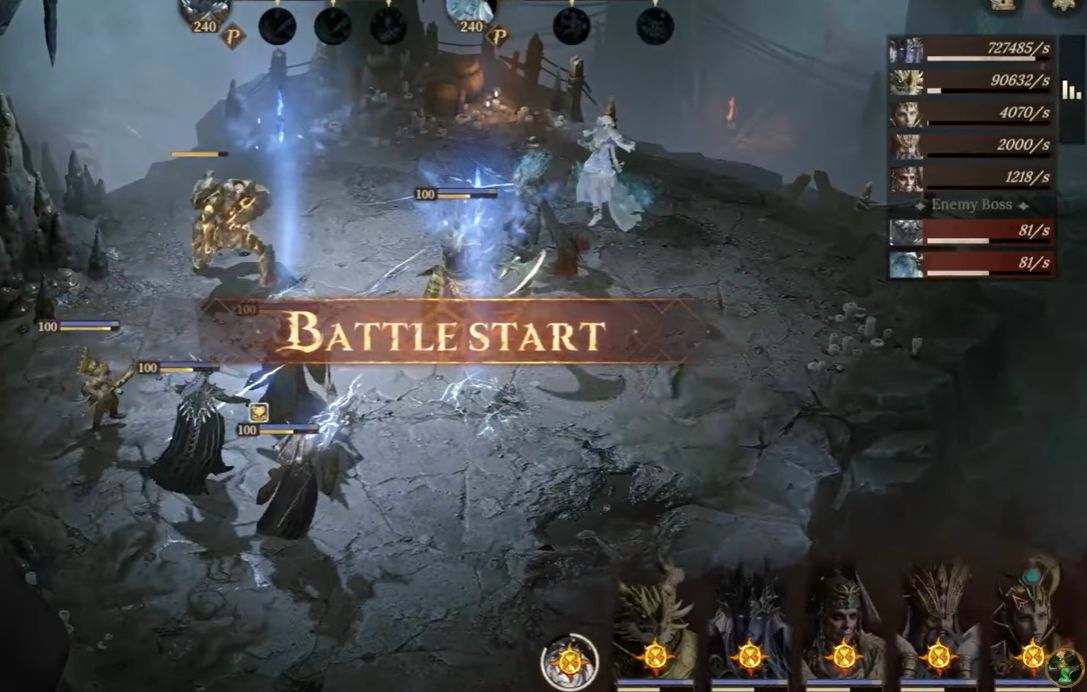
Because of that, I strongly recommend prioritizing familiars with proven long-term value instead of niche picks. If a familiar only shines in one narrow encounter, it is usually not the best target for your first awakening cycle. The best targets are units that keep contributing across multiple game modes and survive future balance shifts.
How Talent Refinement Works in Practice
Each Refinement attempt generates six Awakened Talents at random. The primary fuel is Refinement Sand, mainly sourced from daily activities and the Island Mine. If an active awakened talent matches one of your familiar's original talents, that talent receives an awakening enhancement effect.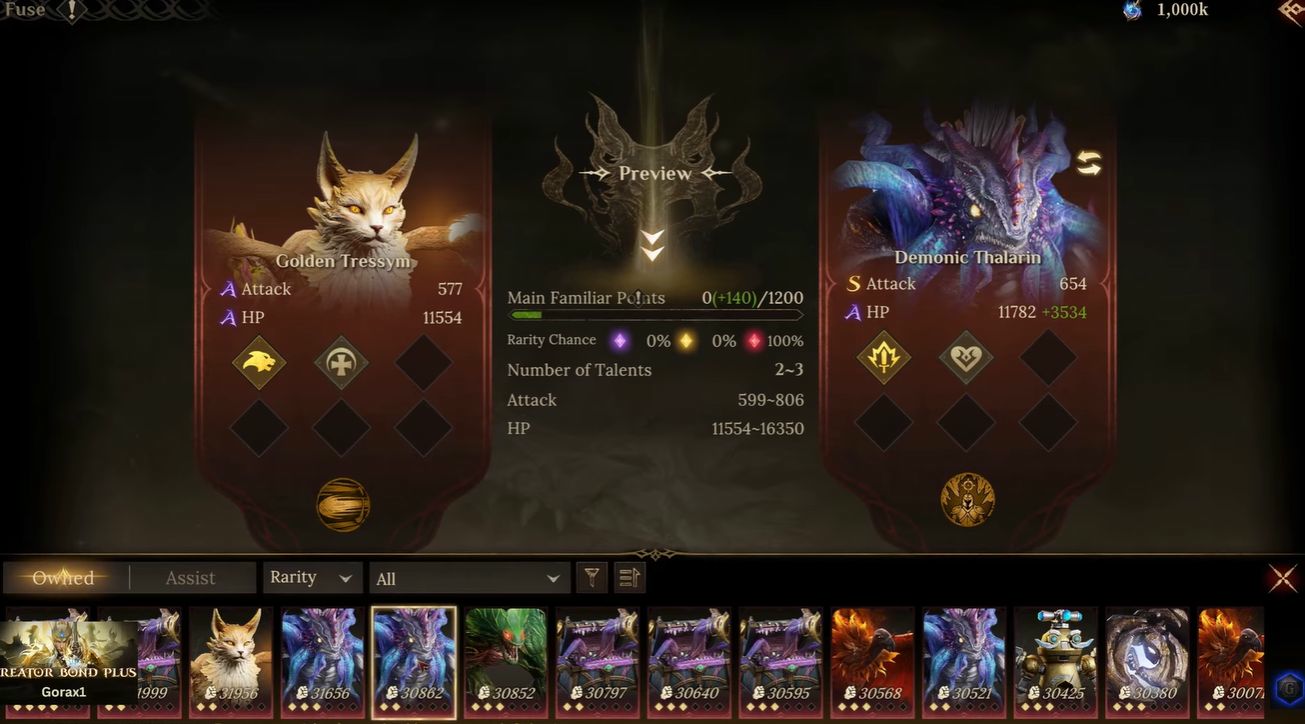
This is where many players underestimate variance. The system looks straightforward, but randomness can produce emotional over-investment if you chase perfect lines too early. The better mindset is to treat early rounds as probability building, then commit hard only when the roll quality crosses your practical threshold for your current content goals.
The Real Cost of Locking Talents
You can lock up to five current Awakened Talents using extra Refinement Sand and Targeted Refinement Stone, guaranteeing those locked talents appear in the next refinement result. This is powerful, but the scaling cost is intentionally steep.
From the chart, locking 0, 1, 2, and 3 talents costs 50, 200, 500, and 1,200 Refinement Sand respectively. Locking 4 requires 4 Targeted Refinement Stone plus 2,500 Refinement Sand, and locking 5 jumps to 8 Targeted Refinement Stone plus 3,500 Refinement Sand. In other words, heavy locking is a premium move and should be reserved for near-finished builds, not early experimentation.
Best Refinement Strategy: Play the Pity System, Not Your Emotions
The most valuable tip from the event images is the Refinement pity system logic. You are guaranteed to awaken two talents within 20 refinement attempts, so locking early is usually inefficient. Once you secure two strong Awakened Talents, lock them and continue refining toward the next guarantee window, where you can secure four awakened talents within 50 attempts.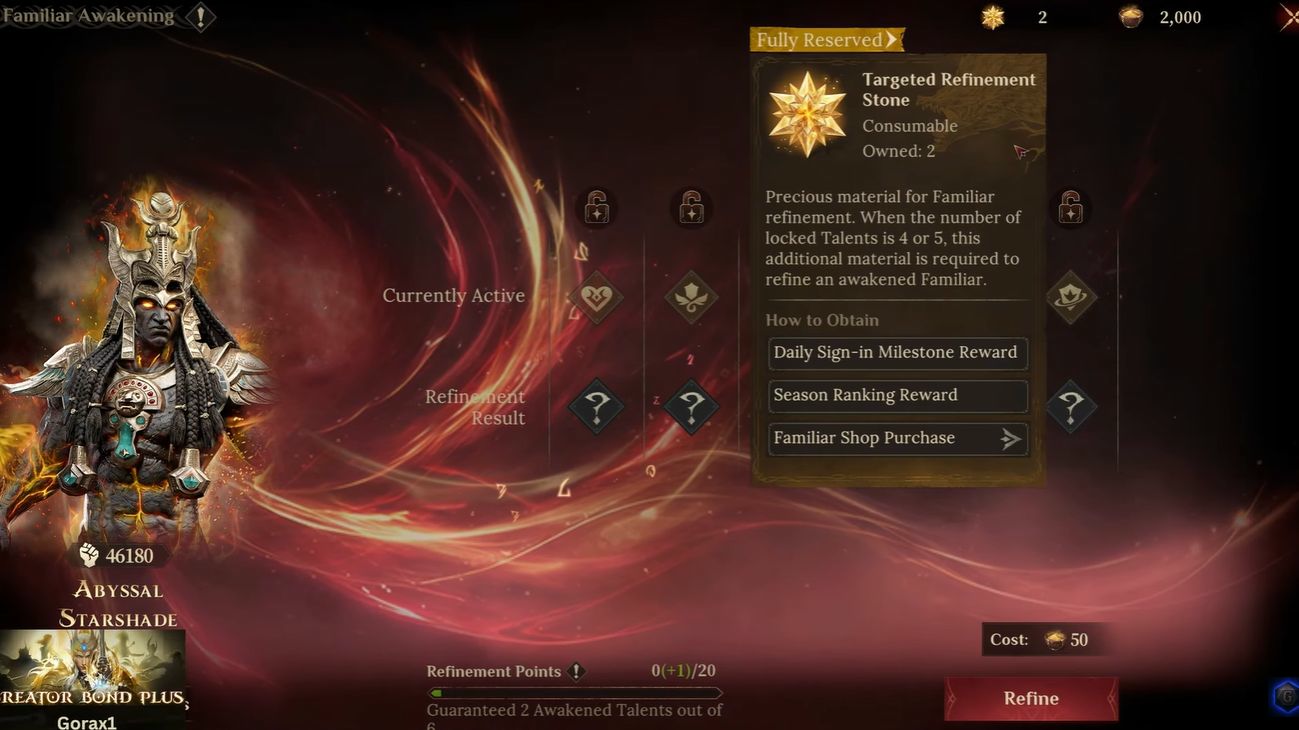
This approach works because it aligns resource spending with statistical milestones. In plain terms, you let the baseline system do more work before paying premium lock costs. I consider this the single biggest difference between an average account and an efficient one in the Dragonheir Familiar Awakening guide meta.
Advanced Optimization for Endgame Players
When you reach the stage of locking four or more talents, every click matters. At that point, each attempt consumes large amounts of Refinement Sand and rare Targeted Refinement Stone, so the goal shifts from rolling often to rolling correctly. If the two remaining talents from a refinement result are at least usable, consider replacing weaker not-yet-awakened talents via Talent Scroll instead of forcing additional high-cost lock cycles.
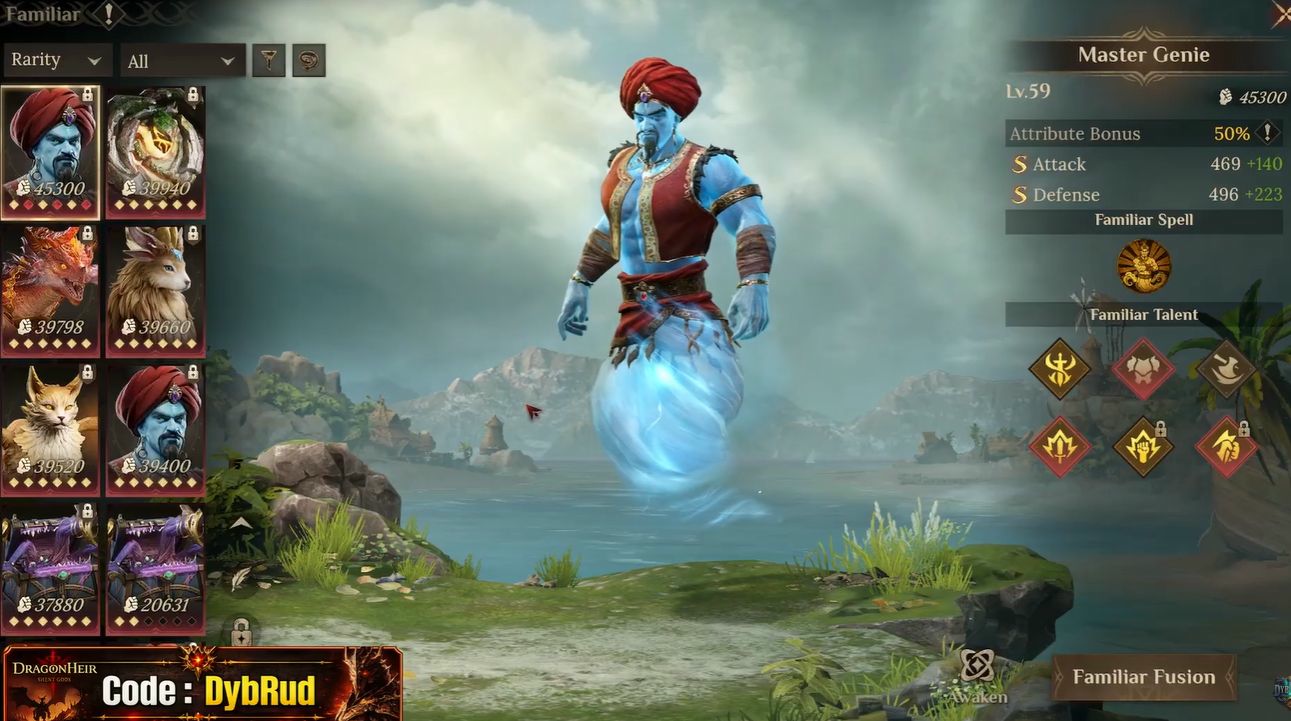
A concrete example from the official tip is replacing Mechanical Damage Bonus with Crit Damage Boost in many common lineups. I agree with this direction because crit scaling tends to produce stronger burst breakpoints in practical team setups, especially when your support buffs and rotation windows are already tuned for damage spikes.
Conclusion
The Familiar Awakening system in Dragonheir: Silent Gods is one of the best power progression features in the current Reborn era, but only if you approach it with discipline. Build around one proven Mythic Familiar, use Awakening Stones carefully, farm Refinement Sand consistently, and delay expensive locks until the pity system has already given you momentum.Power up your squad with Dragonheir buffbuff top up — grab the boost and dominate the battlefield!
If you follow this framework, you will spend less, stabilize your talent quality faster, and get a much cleaner path to endgame-ready companions. That is the real win condition for any serious player looking for the best Dragonheir talent refinement strategy rather than short-term upgrade hype.

Dragonheir: Silent Gods is a dark fantasy strategy RPG that blends tactical battles with quick auto chess combat.