Popular Games
 All Games





Delta Force S8 Lena Vandermir (Butterfly) Guide: Skills, Builds & Sineva Rework Analysis
2026-02-02
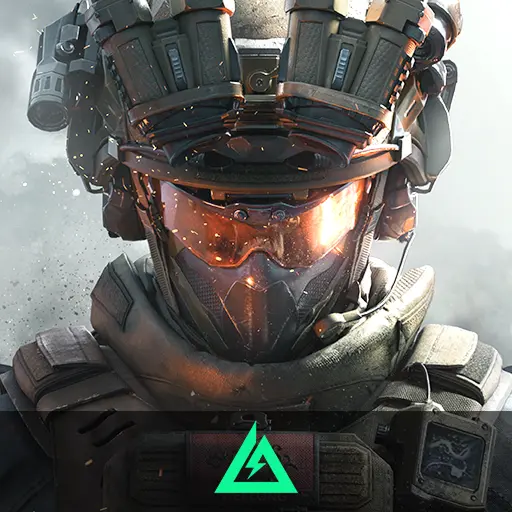


Season 8 (Morphosis) introduces a new support operator who can swing fights with a single clean rescue. It also reworks Sineva in a way that splits players. Here is a practical breakdown of Lena Vandermir (Butterfly), plus what the Sineva rework changes in real matches.
Who Is Lena Vandermir (Butterfly) in Delta Force Season 8?
Lena Vandermir is also shown in official Season 8 notes as Lina van der Meer, with the codename Butterfly (also seen as Vlinder). She is positioned as a dedicated rescue support, with tools that help you revive under pressure, then stabilize the squad quickly.
Info Box
- Age: 27
- Nationality: Dutch
- Background: Clinical Medicine
Lena’s Skill Breakdown (S8) , With How It Actually Plays
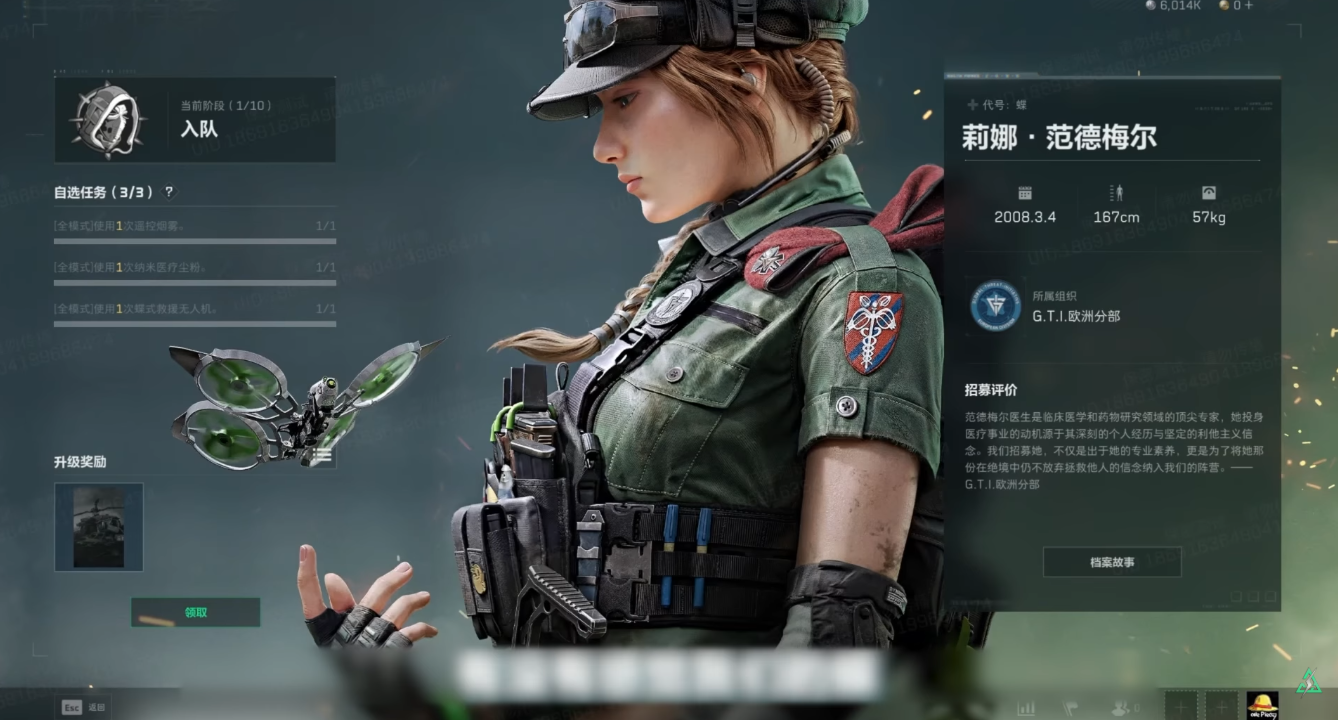
Ultimate: Butterfly Rescue Drone 55m Range Mechanics
This is Lena’s signature. You deploy a rescue drone swarm that can “reach” a downed teammate from far away and finish the revive safely if you manage the last step.
- Core Function: Remote rescue and revive support.
- Key Value: The ultimate is designed to turn “unrevivable” knockdowns into recoverable fights, especially when sightlines are covered or explosives are flying.
Important numeric details
- 55 m rescue range
- The final revive step requires about 10 m of line-of-sight
- Revive “finish” time shown as 1s
- Duration shown as 20 s
- Cooldown shown as 120 s
Butterfly Tactical: Nanomedical Dust Heal Timing
This is the “save the tempo” button. entirely meant to patch HP immediately so your team can keep moving.
- Core Function: Fast heal on a teammate or yourself via a medical drone-style lock-on.
- Test-build timing: Full heal shown in about 1.5 s, and a downed teammate revived and stabilized in about 5 s total in the same flow.
Treat that as “possible ceiling performance,” not a guarantee.
Passive: Bleed-Out Extension And Rescue Tempo
Butterfly’s passive is built for one job. Buy time. That means more seconds before a teammate fully bleeds out, and more chances to reset the fight.
- Core Function: Extends bleed-out time so revives stay possible longer.
- Extra value: In Warfare, successful rescues can reduce the ultimate cooldown. Also, prone-position revives are supported.
Throwable: Guided Smoke Grenade, Plus Squad Scan Utility
This is the part that will decide whether Butterfly becomes “must-pick” in organized squads.
- Guided Smoke Grenade: The smoke can be guided mid-flight by long-press control. The base controllable range is around 100 m, with momentum pushes up to 150 m+ in skilled hands (test build details).
- Teammate Check: Holding V can show teammate position and health status
In plain terms, this smoke is not just a cover. It is a placement tool. You can “draw” vision blocks onto an angle instead of guessing a throw.
Butterfly Drone Revive Range: What “55 m” Really Means
The most important way to think about the Rescue Drone is this: the 55 m range is your “permission” radius to start the rescue sequence. The last part still needs clean execution. The final requirement is about 10 m of line-of-sight to complete the revive. That is where positioning matters.
So the best Butterfly players will not press ult and hope. They will press ult, then immediately create a safe finish lane with smoke, a hard corner, or a teammate's body block.
Best Support Build S8: How To Get Value Every Fight
Butterfly rewards a very specific loop.
You want to (1) keep your squad alive, (2) deny angles, and (3) keep the team moving while the other side is still reloading and re-aiming.
A strong “Season 8 support” approach looks like this:
Playstyle Priorities
- Smoke first, then rescue. If you can cut sightlines, you reduce the risk of the final revive step.
- Use Nanomedical Dust to preserve momentum. Heal immediately after a trade so your entry player can re-peek.
- Treat your ultimate as a fight reset. Do not force “unsafe” revives. Save it for revives that would otherwise be impossible.
Team Fit
- Butterfly is strongest with aggressive teammates who take space fast once the smoke lands.
- She also pairs well with any operator that can force enemies off an angle, because that makes the final revive step safer.
How To Play Lena: Practical Match Tips That Win Rounds
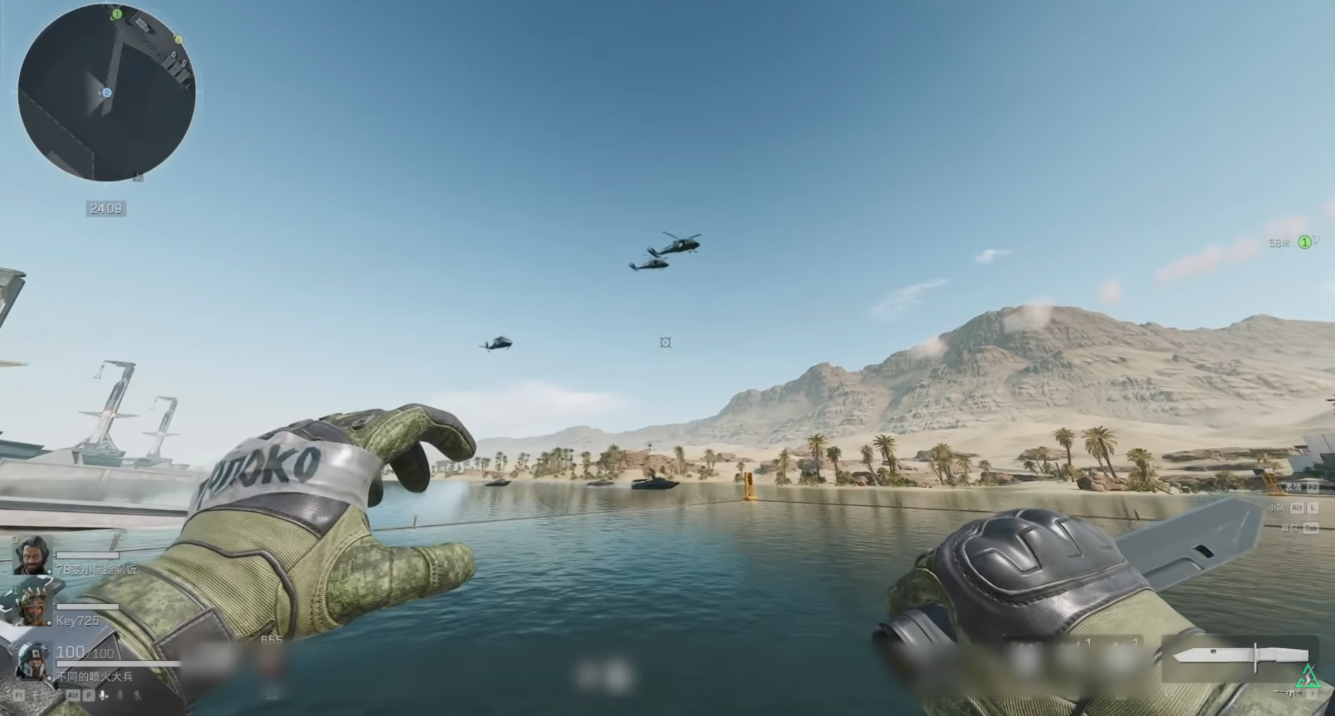
If you want Butterfly to feel broken, do these consistently.
First, smoke enemy sightlines, not your own feet. A common mistake is “panic smoke” on your position. Better is smoke that lands on the enemy’s power angle so they cannot hold you.
Second, use the guided smoke to create two layers. One smoke to block the angle. Another way to cut the route. That is how you revive, reset, and leave before the enemy collapses.
Third, when a teammate drops into a bad spot, do not rush. Start the rescue sequence, then rotate your body to the place you need for the final line-of-sight finish. Smoke buys the time to do that.
Finally, play for timing. Butterfly is strongest when the enemy thinks they have a confirmed elimination, only for the knockdown to suddenly turn into a revived teammate with restored health and a new angle.
Delta Force Sineva Rework: What Changed And Why It’s Controversial
Season 8 treats Sineva as a full rework with one clear goal: make his revive utility harder to punish.
The Clear Buff: Shielded Revives
Sineva can deploy his shield while reviving, covering both himself and the downed teammate.
This is a meaningful change. It reduces the classic counterplay where you simply pre-aim the revive and farm the rescuer.
The Controversy: Weapon Swap During Ultimate
During Sineva’s ultimate, he can swap weapons, and he gains about 10% damage reduction while the ultimate is active, and he deploys the riot shield. He can also fire a pistol while the shield is up.
That combination is why the rework is getting called oppressive in close fights. It is not just “hard to kill.” It is “hard to punish while still outputting damage.”
Is Sineva OP In Season 8?
Sineva will feel extremely strong in tight geometry after the rework. Think stairs, short hallways, and doorframes. Shielded revives reduce punishment windows. Weapon access during ultimate increases the threat. Damage reduction reduces the cost of taking space.
But “OP” depends on two things:
- Enemy discipline: If opponents stop taking bad trades into shield timing, his value drops.
- Explosive and angle play: If teams hold crossfires and force shield users into multi-angle damage, the shield loses a lot of its magic.
So the honest answer is: he looks overtuned in the test-build style description, but the match context will decide whether he is actually oppressive in ranked play.
Where To Test These Changes: Space City 2.0 And Season 8 Content
Season 8 also expands the environment around these operator changes, including updates tied to Space City 2.0 and new PvE-style pressure points like boss encounters.
Test these operators in the new map! Check our Space City 2.0 & Boss Guide.
Final Take
Butterfly looks built to redefine support tempo. The guided smoke alone changes how teams take angles. Add fast healing and remote rescue, and she becomes a fight-reset specialist. Sineva’s rework, meanwhile, shifts him from “revive helper” to “revive plus threat,” which is exactly why it is controversial.

Delta Force is a tactical military shooter game that combines extraction raids with large multiplayer battles.